For nearly three centuries, Maison Ruinart has maintained a unique relationship with creativity. Founded in 1729, it was the first Champagne house to understand that art could be a language in its own right, capable of shedding new light on its history, its territory, and its connection to life. Over the past twenty years, this relationship has been strongly reinforced through constant dialogue with contemporary artists.


Ruinart’s artistic approach is distinguished by its committed choices, driven by artists who are sensitive to environmental issues and the relationship between humanity and nature. “Our approach is characterized by artists who hold strong values, echoing our own, and who have an enlightening and positive vision of the relationship between humans and living things,” emphasizes Fabien Vallerian, international director of arts and culture at Ruinart. Forests, soils, biodiversity, oceans, and seasonal cycles thus become subjects for exploration, interpreted through a diversity of materials, techniques, and perspectives.
This approach is based on a model that is rare in the world of Champagne houses: the artist residency. Artists are invited to stay in Reims, immerse themselves in the Champagne region, and meet the people who shape it. “They come for several weeks, drawing inspiration from the place, its history, and its nature, but they are given carte blanche,” explains Vallerian. This creative freedom gives rise to unique projects, rooted in the region while addressing universal contemporary issues.
Ruinart’s artistic heritage deeply nourishes this vision. Since the 19th century, the family has collected art and provided an artistic education for its children. This sensitivity culminated in 1896 with the commissioning of a work by Alphonse Mucha, which became the first advertisement for Champagne. “This heritage sets us apart and keeps us committed. It encourages us always to surpass ourselves and transform ourselves through this conversation between nature and culture,” says the expert. Even today, many artists delve into the archives to find sources of inspiration.
Through art, Ruinart chooses to tell the story of Champagne in a way that goes beyond the purely oenological discourse. “It’s not a question of opposition, but of conversation,” explains Vallerian. Art becomes a complementary experience to tasting, a way of addressing the fragility of nature, climate issues, and artisanship. Artists, winegrowers, cellar masters, and artisans thus participate in a shared narrative, that of a Champagne born of nature and transformed by human creativity.


This vision is fully embodied at 4 Rue des Crayères, a historic address that has been completely redesigned. “Rather than a simple renovation, we wanted to create a place for dialogue, exchange, and experiences,” explains Vallerian. The architectural journey, designed in particular by Sou Fujimoto, charts a succession of viewpoints where nature is omnipresent, from the entrance to the garden, culminating in the revelation of the historic building from the Nicolas Ruinart Pavilion.
The landscape, designed by Christophe Gautrand, extends this approach with a clear ecological vision. “The idea was to create an ecosystem capable of evolving and adapting naturally,” he explains. Named BiodiverCity® Life, the garden becomes a space for dialogue between buildings, seasons, and works of art. These works, often created in situ, incorporate natural materials and environmental concerns, as exemplified by the work of artists such as Tomás Saraceno, Nils-Udo, and Julian Charrière, whose monumental work now inhabits the UNESCO-listed chalk cellars.

Alongside these artistic commitments, the house continues to express its expertise through its iconic cuvées, including Ruinart Blanc de Blancs, available at the SAQ, which perfectly illustrates the purity and elegance of the Chardonnay grape so dear to the house.
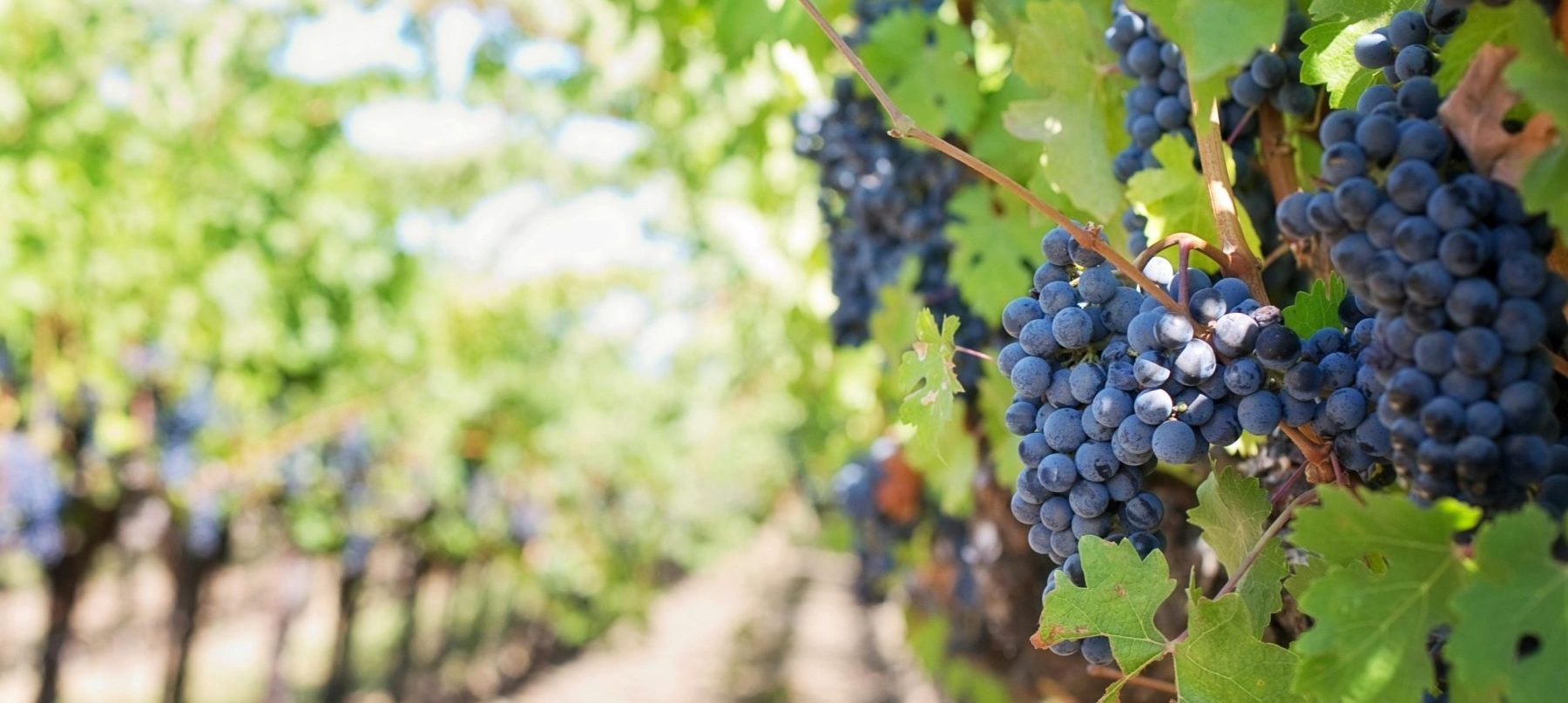
Cover photo: Ruinart vineyard in Taissy.
ruinart.com and saq.com